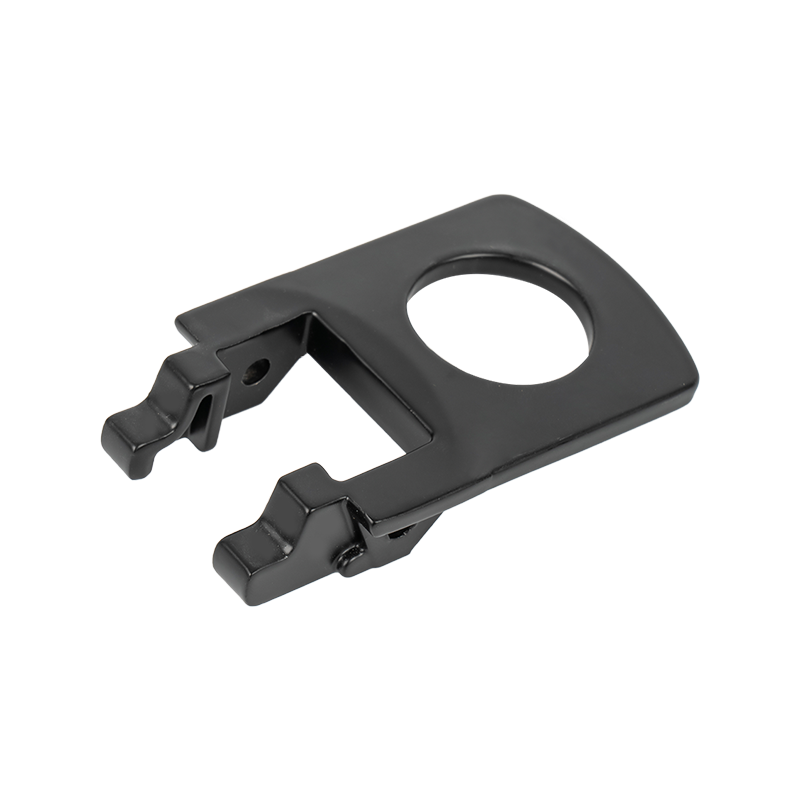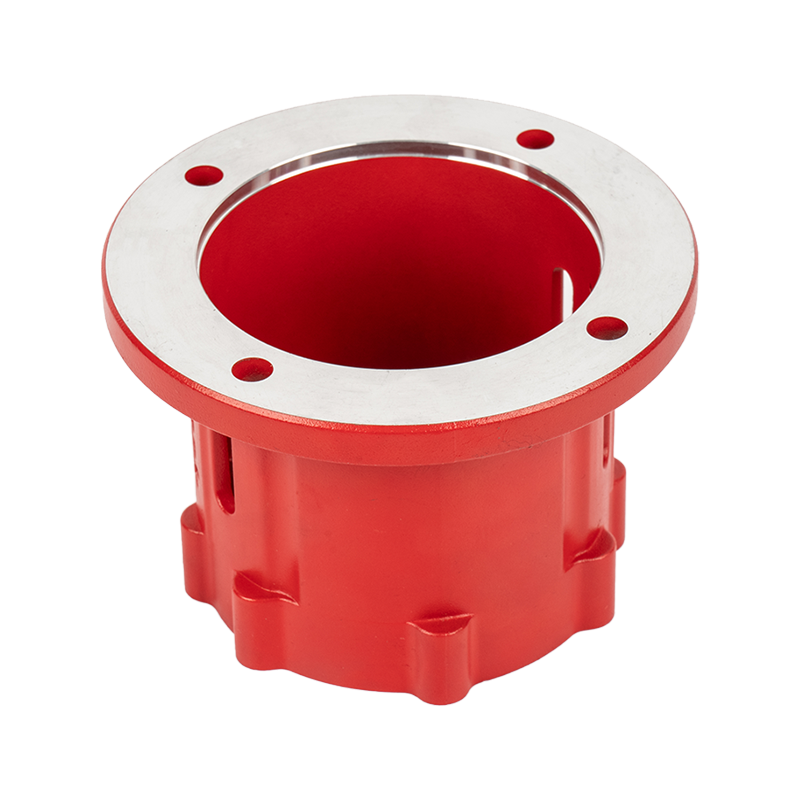
An engineer once contacted us about a die-cast aluminum housing for a gas pressure regulator. He had a detailed CAD model, a clear annual volume target, and a surface finish requirement that seemed reasonable on paper. The only thing he could not answer was which aluminum casting process his part should use. Sand casting sounded too rough. Die casting sounded expensive before quoting. Permanent mold casting sounded like a compromise he could not evaluate without data. That hesitation is common among design engineers, procurement teams, and product managers who need cast aluminum components but do not specialize in foundry technology. The question they keep asking is simple: what are the different types of aluminum casting, and how do they actually compare in real production?
What Is Aluminum Casting and Why Does Process Selection Matter?
Aluminum casting is a manufacturing process in which molten aluminum alloy is poured, injected, or otherwise introduced into a mold cavity that defines the shape of the finished part. Once the metal cools and solidifies, the mold is opened or removed, and the resulting component is cleaned, inspected, and often machined to final dimensions. Aluminum alloys are popular casting materials because they offer a favorable balance of low density, good thermal and electrical conductivity, natural corrosion resistance, and excellent castability across a wide range of process conditions.
The process selection matters more than many buyers realize. It affects not only the price per part but also the mechanical strength, internal soundness, dimensional consistency, surface texture, achievable wall thickness, and how much secondary machining will be needed. Two parts with the same geometry can perform completely differently depending on whether they were produced by sand casting or high-pressure die casting.
Before comparing individual processes, it helps to build a mental framework. Every aluminum casting method is a variation of the same sequence: create a cavity, fill it with molten metal, control solidification, and extract the part. The differences lie in how the cavity is made, how the metal is introduced, and how quickly it cools. Those three variables determine nearly every practical difference between sand casting, permanent mold casting, die casting, investment casting, and lost foam casting.
If you need an even more general introduction, our complete guide to aluminum casting covers the basic process from raw alloy to finished inspection. This article focuses on the process types and the engineering trade-offs that separate them.
The Main Types of Aluminum Casting
Industry practice groups aluminum casting into several established families. Some are defined by the mold material, others by the pressure used to fill the cavity, and still others by the pattern technology. The six types described below cover the overwhelming majority of commercial aluminum castings produced around the world. Each one has a distinct position on cost, volume, precision, and mechanical performance.
Sand Casting
Sand casting uses a mold made of compacted sand mixed with clay or chemical binders. A wooden, resin, or metal pattern creates the cavity in the sand. After the molten aluminum is poured in by gravity and allowed to cool, the sand mold is broken apart to release the casting.
Because the mold is destroyed after every cycle, sand casting has the lowest tooling cost among the main processes. Prototype quantities and small production runs are economically viable. Large and geometrically complex parts are also practical, and no aluminum alloy is off-limits. The trade-offs are a rougher surface finish, looser dimensional tolerances, and slower cycle times compared with permanent mold or die casting.
Sand casting is a reasonable starting point when annual quantity is low and when machining will remove a generous amount of surface material.
Permanent Mold Casting
Permanent mold casting, sometimes called gravity die casting, uses a reusable steel or cast iron mold into which molten aluminum is poured by gravity or tilted to improve flow. The metal mold extracts heat quickly, which refines the grain structure and improves mechanical properties compared with sand casting.
This process occupies the middle ground between sand casting and high-pressure die casting. Tooling costs are moderate, production rates are respectable, and surface finishes are noticeably better than sand. It suits production runs of several thousand to tens of thousands of parts per year, particularly for housings, brackets, and structural components that need higher integrity than sand casting can offer.
High-Pressure Die Casting
High-pressure die casting, often abbreviated HPDC, is the process most closely associated with high-volume aluminum components. Molten aluminum is injected into a precision steel die at high velocity and under high pressure, often more than 10,000 psi applied to the metal.
HPDC delivers extremely fast cycle times, typically from 30 seconds to a few minutes per shot. Thin walls, complex internal geometries, and fine surface detail can be produced repeatedly. Dimensional tolerances are tighter than any other common casting method, which is why automotive engine blocks, transmission housings, motor housings, and countless electronic enclosures are made this way.
The main limitation is porosity. The high-speed injection can trap air and gas inside the metal, producing micro-voids that reduce pressure tightness and limit the ability to weld or heat-treat the part. High-quality die casters minimize this with controlled injection profiles, vacuum assist, and careful gating design.
Low-Pressure Die Casting
Low-pressure die casting fills the mold from below using inert gas pressure, typically a few psi, to push molten aluminum upward into a steel die. The flow is much calmer than HPDC, so less air is trapped and the resulting casting has lower porosity and higher mechanical integrity.
The slower fill rate means longer cycle times, but the improved soundness makes LPDC attractive for safety-relevant structural parts, aluminum wheels, cylinder heads, and components that must withstand pressure or fatigue loading. Tooling costs are similar to permanent mold tooling, and production volumes fit the medium to high range.
Investment Casting
Investment casting, also called lost-wax casting, begins with a wax pattern that is coated in several layers of ceramic slurry to build a shell. The wax is then melted out, leaving a precise ceramic mold. Molten aluminum is poured into the heated shell, and after solidification the ceramic is broken away.
This method produces excellent dimensional accuracy, fine surface detail, and complex internal passages that would require machining in other processes. The drawback is cost: pattern production is labor-intensive and per-part costs are high. Investment casting suits intricate components that demand precision and where the volume does not justify die casting tooling. Aerospace brackets, instrumentation parts, and medical device components are typical examples.
Lost Foam Casting
Lost foam casting uses a polystyrene foam pattern shaped exactly like the final part. The pattern is coated with a permeable refractory layer, embedded in unbonded sand, and then molten aluminum is poured directly onto the foam. The heat vaporizes the foam, and the metal fills the resulting cavity.
Because there are no mold parting lines, lost foam castings have excellent dimensional consistency and can produce complex assemblies previously made from multiple parts. The process is used by automotive manufacturers for cylinder heads, exhaust manifolds, and engine blocks. Tooling for foam patterns is relatively economical, but the foam molding equipment and consumable patterns require careful process control.
Casting Method Comparison at a Glance
The following table summarizes the practical ranges associated with each aluminum casting process. Actual figures depend on the specific alloy, part geometry, and the capability of the foundry, so use these values as decision guidelines rather than absolute specifications.
| Process | Typical Annual Volume | Relative Tooling Cost | Dimensional Tolerance (mm) | Typical Surface Finish (Ra, µm) | Relative Cost per Part |
|---|---|---|---|---|---|
| Sand Casting | 1 – 10,000 | Low | ±0.5 – ±2.5 | 6.3 – 12.5 | Low at small volumes |
| Permanent Mold | 5,000 – 100,000 | Medium | ±0.2 – ±0.8 | 1.6 – 6.3 | Moderate |
| High-Pressure Die Casting | 10,000 – 1,000,000+ | High | ±0.1 – ±0.3 | 0.8 – 3.2 | Very low at high volumes |
| Low-Pressure Die Casting | 10,000 – 300,000 | Medium-high | ±0.2 – ±0.5 | 1.6 – 6.3 | Low to moderate |
| Investment Casting | 100 – 20,000 | Medium-high | ±0.1 – ±0.5 | 0.8 – 3.2 | High |
| Lost Foam Casting | 1,000 – 100,000 | Medium | ±0.5 – ±1.5 | 3.2 – 12.5 | Low to moderate at scale |
Three conclusions stand out from this comparison. First, sand casting wins when tank volume is small and tooling budget is limited. Second, high-pressure die casting becomes dominant as annual quantities climb into the tens of thousands because per-part cost drops sharply. Third, permanent mold and low-pressure die casting sit in the middle and shine when mechanical strength or pressure tightness is a priority.
Relative Cost per Finished Part
The bar chart below shows a weighted cost comparison per finished part at typical production volumes. Investment casting represents the highest per-part cost, while high-pressure die casting becomes the most economical at scale.
Aluminum Alloys Commonly Used in Casting
Understanding process types is only half of the decision. The aluminum alloy itself influences how the part behaves in service and how well it suits a given casting method. Most casting alloys contain silicon and copper to improve fluidity and strength. The table below lists the most common commercial alloys used across the casting processes described above.
| Alloy | Typical Process | Tensile Strength (MPa) | Yield Strength (MPa) | Elongation (%) | Key Characteristics |
|---|---|---|---|---|---|
| A356 | Sand, Permanent Mold, LPDC | 230 – 280 | 160 – 210 | 3 – 10 | Heat-treatable, good ductility and fatigue resistance |
| A380 | High-Pressure Die Casting | 320 – 340 | 150 – 170 | 2 – 4 | Excellent castability and thermal conductivity |
| ADC12 | High-Pressure Die Casting | 310 – 330 | 150 – 160 | 2 – 4 | Standard Japanese specification, similar to A380 |
| A360 | High-Pressure Die Casting | 280 – 300 | 140 – 160 | 3 – 6 | Better corrosion resistance than A380 |
| A413 | High-Pressure Die Casting | 280 – 300 | 130 – 150 | 3 – 5 | High silicon, excellent pressure tightness |
A356 is the preferred alloy when the design demands high ductility or when the part will be heat-treated to the T6 condition. It is often combined with permanent mold, low-pressure, or sand casting because those processes allow the slower solidification needed to develop good mechanical properties.
A380 and ADC12 dominate the die casting world. Their high silicon content makes them flow well into thin-wall cavities, and their short solidification range reduces hot tearing. The downside is that they cannot be weld-repaired easily and are not recommended for later anodizing if a bright or consistent color is required.
A360 offers a middle path, with better corrosion resistance and slightly better elongation than A380, while retaining the castability required for die casting. A413 is selected when the casting must hold pressure, such as pump bodies, compressor housings, or hydraulic valve blocks.
How to Choose the Right Aluminum Casting Method
Choosing between process types becomes much easier once the key decision factors are ranked against actual project requirements. The following cards describe the six factors that most often drive the final selection in our daily production planning.
1. Annual Volume
Volume is the strongest single predictor of process choice. Under 5,000 pieces, sand casting or investment casting keeps tooling amortization low. From 5,000 to 50,000, permanent mold and low-pressure processes balance cost and throughput. Above 50,000, high-pressure die casting usually wins because the high tooling cost is spread over a large batch.
2. Dimensional Tolerance
If the design requires machining stock of only 0.3 mm or snap-fit assembly features that cannot be machined, high-pressure die casting or investment casting should be the starting point. Sand casting cannot hold tight tolerances on thin features, and even permanent mold casting needs generous machining allowances for complex contours.
3. Surface Finish
Visible surfaces that will receive decorative powder coating or anodizing demand a smooth as-cast finish. High-pressure die casting delivers the best surface directly out of the mold. Permanent mold casting is acceptable for many industrial parts. Sand and lost foam castings usually require grinding, polishing, or filler before cosmetic coatings.
4. Mechanical Integrity
Parts carrying structural loads, pressure, or fatigue cycles should avoid high-pressure die casting unless the design team has accounted for porosity. Low-pressure die casting and permanent mold casting produce denser internal structures. A356 in the T6 condition offers the best combination of strength and ductility among common casting alloys.
5. Part Size and Wall Thickness
Sand casting handles very large parts and thick sections easily. High-pressure die casting is limited by the shot size of the machine, and practical wall thickness typically ranges from 1.5 mm to 6 mm. If the part has a thick-walled boss next to a large flat area, one process may struggle to fill the thin section while solidifying the thick section without shrinkage.
6. Secondary Operations
Threaded holes, sealing surfaces, and mating faces almost always require precision machining. A casting process with better dimensional consistency reduces machining time and scrap. High-pressure die casting and investment casting allow minimal machining stock, while sand castings may need several millimeters of stock removed on every critical surface.
A practical approach is to evaluate the design against the two questions that matter most. First, what is the total annual quantity that will be produced over the life of the tool? Second, which surfaces and mechanical properties cannot be compromised by porosity? The answer to these two questions will point toward one or two candidate processes. From there, a short conversation with an experienced casting manufacturer is usually enough to narrow the field.
Key Quality Considerations in Cast Aluminum Parts
No matter which casting method is selected, buyers should understand the quality factors that separate an acceptable casting from a costly field failure. The most important considerations are porosity control, machining allowances, surface integrity, and heat treatment behavior.
Porosity and Pressure Tightness
Porosity is the most common quality concern in aluminum casting. Gas porosity forms when hydrogen dissolves in the liquid metal and comes out of solution during solidification. Shrinkage porosity forms when the final liquid metal in a heavy section solidifies without enough feed metal to fill the void. Pressure-tight components such as valve bodies and pump housings can leak along interconnected pores. Process selection influences porosity significantly. High-pressure die casting inherently produces fine gas porosity because of the turbulent fill. Low-pressure and permanent mold casting reduce turbulence and therefore reduce gas entrapment. Foundries control porosity by degassing the melt, optimizing gating, cooling channels, and using vacuum systems in die casting machines.
Machining Allowance and Dimensional Strategy
Part drawings often specify final machined dimensions, but the casting itself must provide enough stock for the cutting tool. Too much stock increases machining time and cost; too little stock risks running out of material if the casting shifts in the die. A well-designed casting pays close attention to datum features so that machining fixtures locate off the same surfaces as the tooling. High-pressure die casting can hold consistent dimensions that allow minimal stock, while sand casting needs larger allowances because of mold shift and sand erosion.
Surface Integrity and Coatings
Aluminum castings are frequently finished with powder coating, anodizing, or plating. Surface defects such as cold shuts, flow lines, and flash must be removed before coating. In high-pressure die casting, surface porosity may open during machining and ruin the cosmetic quality of an anodized part. For this reason, decorative applications sometimes require an alternative process or an additional surface treatment step. Castings intended for outdoor use benefit from a conversion coating layer before powder coating, which improves paint adhesion and corrosion resistance.
Heat Treatment and Aging
Not all aluminum casting alloys can be heat-treated. Alloys such as A356 respond well to solution treatment and artificial aging, producing significant increases in tensile strength and hardness. Die casting alloys like A380 and ADC12 contain gas porosity that expands during solution treatment, causing surface blisters and distortion. If heat-treated strength is a hard requirement, the design should specify a process and alloy combination that supports it, such as low-pressure permanent mold casting with A356-T6.
Why a Full-Service Casting Partner Improves Project Outcomes
The gap between a good drawing and a reliable production casting is filled by engineering experience, disciplined process control, and integrated manufacturing capability. Many buyers start by contacting several foundries with a 2D drawing and a target price, only to discover that the real work begins after the quote is accepted. Tooling design, first article inspection, process parameter development, and machining allowances all influence whether the final part meets the print.
A full-service aluminum casting manufacturer brings mold design, die casting, CNC machining, and surface finishing under one roof. This structure shortens communication loops and reduces the risk of one supplier blaming another when a dimensional problem appears. It also allows the foundry team to optimize the casting geometry for manufacturability before the tool is built. In our own production workflow, mold flow simulation is used on every new project to identify potential fill issues, shrinkage zones, and weld lines before any steel is cut. This upstream engineering reduces tooling revisions and validation cycles.
Quality system certification matters as well. ISO 9001 and IATF 16949 are common expectations for industrial and automotive supply chains. IATF 16949, in particular, requires rigorous process failure mode analysis, statistical process control, and traceability systems that benefit every customer, not just automotive brands. Our own facility in Ningbo has passed both ISO 9001:2015 and IATF 16949:2016 audits, and we maintain environmental assessment approval for our casting and machining operations.
For a closer look at how a typical casting project moves from molten metal to finished machined part, our detailed production process article walks through each production stage in sequence.
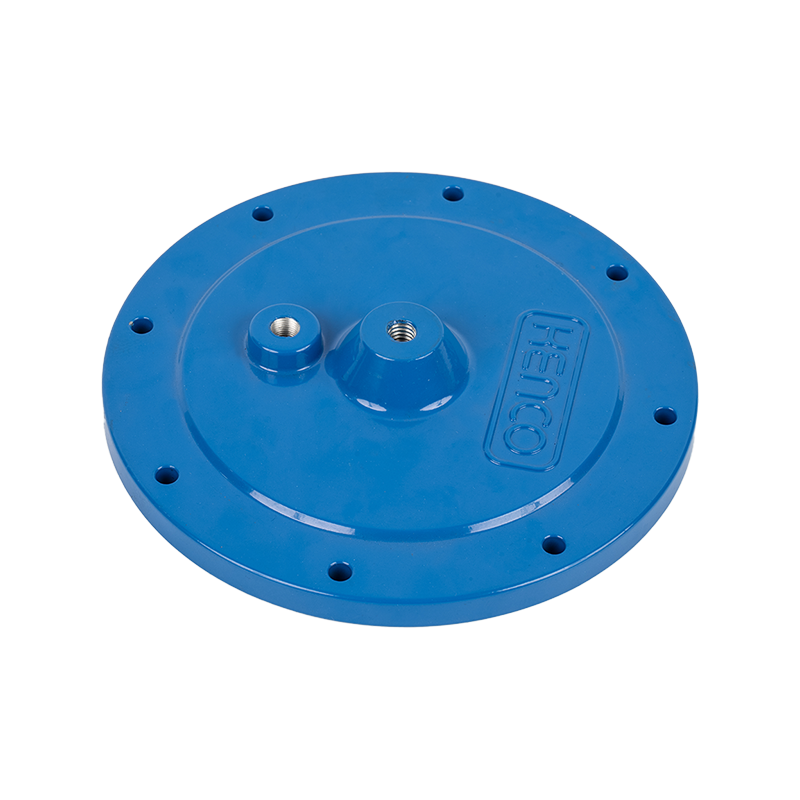
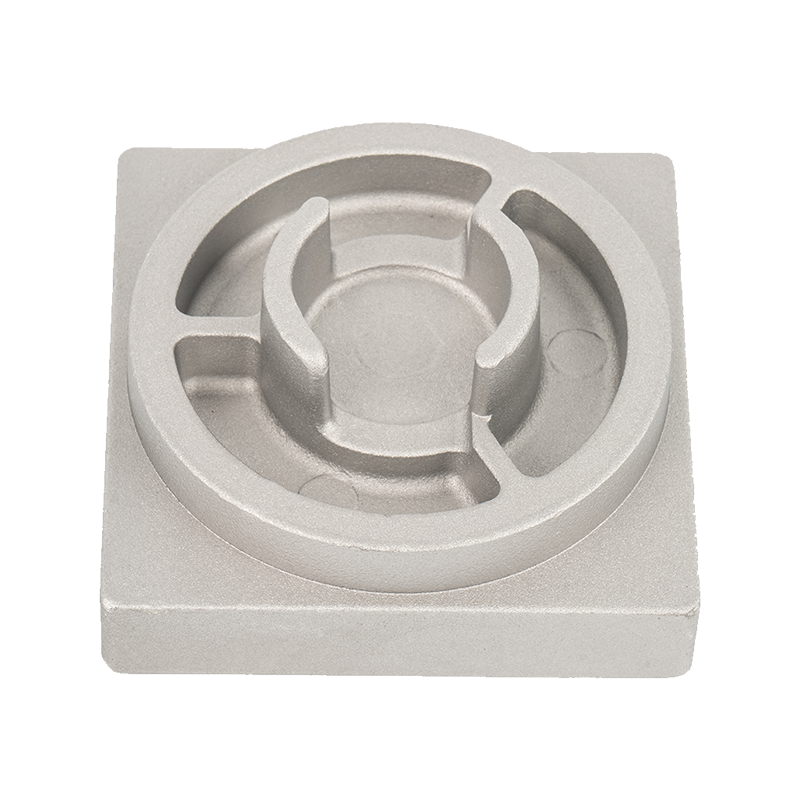 Precision Aluminum Alloy Cast Parts for Custom Industrial ApplicationsThis product example highlights customized precision casting with CNC-machined mounting surfaces and various surface finishes, making it relevant for projects needing complex geometries and tight assembly tolerances.View Product →
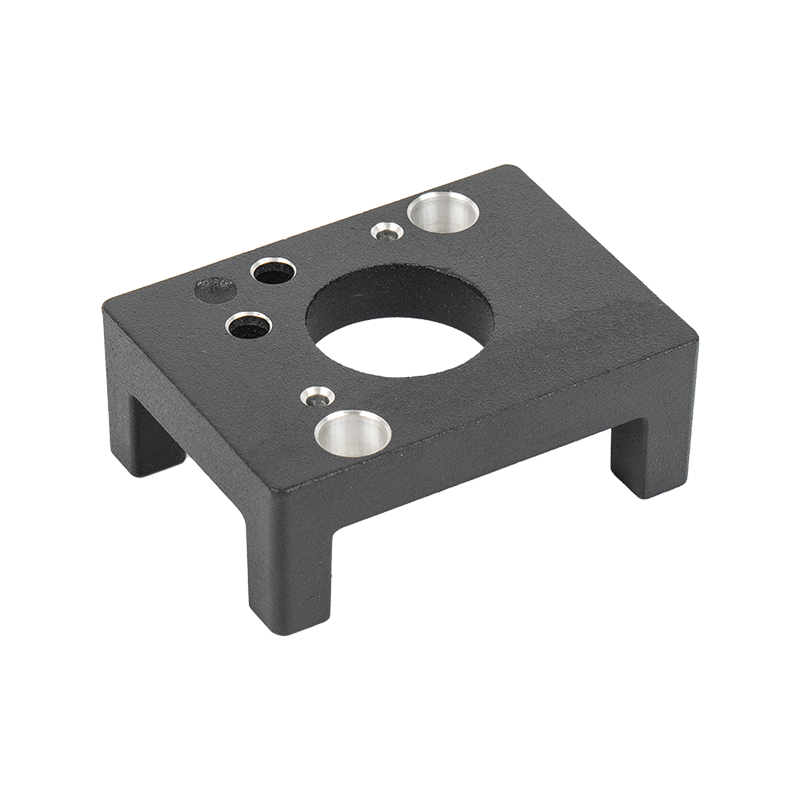
 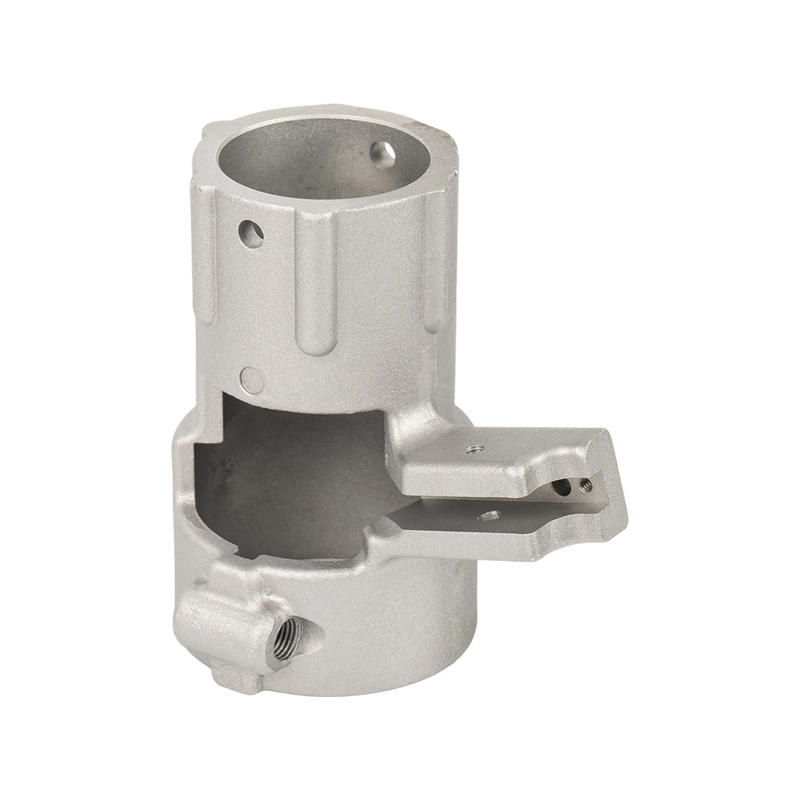 Aluminum Alloy Wear-Resistant Castings for Friction-Prone ComponentsThis casting example demonstrates wear-resistant alloy selection and surface treatments suited for parts under frequent contact and friction, offering insight into durability-focused custom manufacturing.View Product →
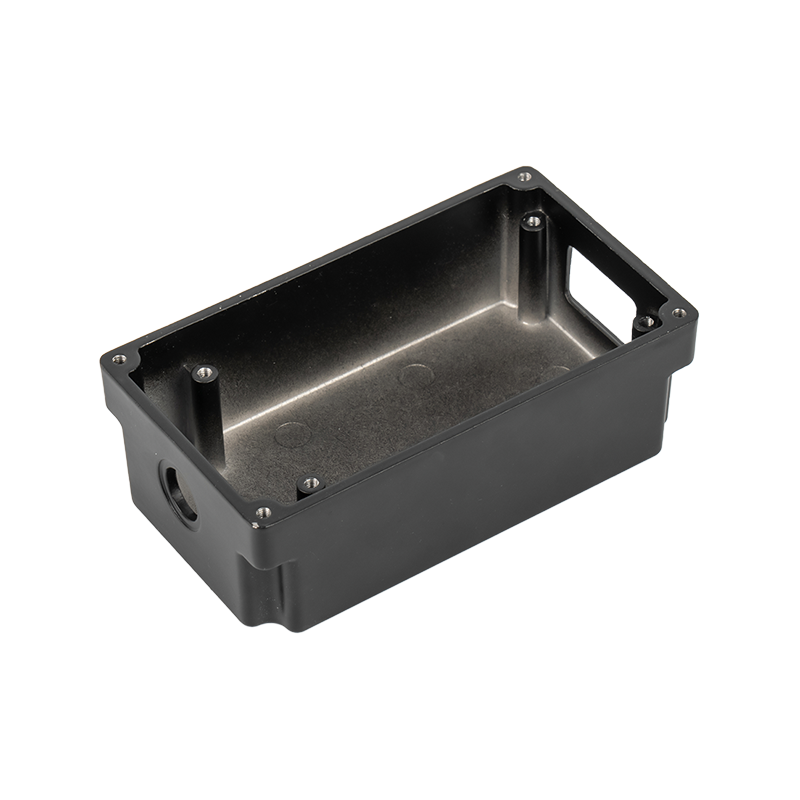
 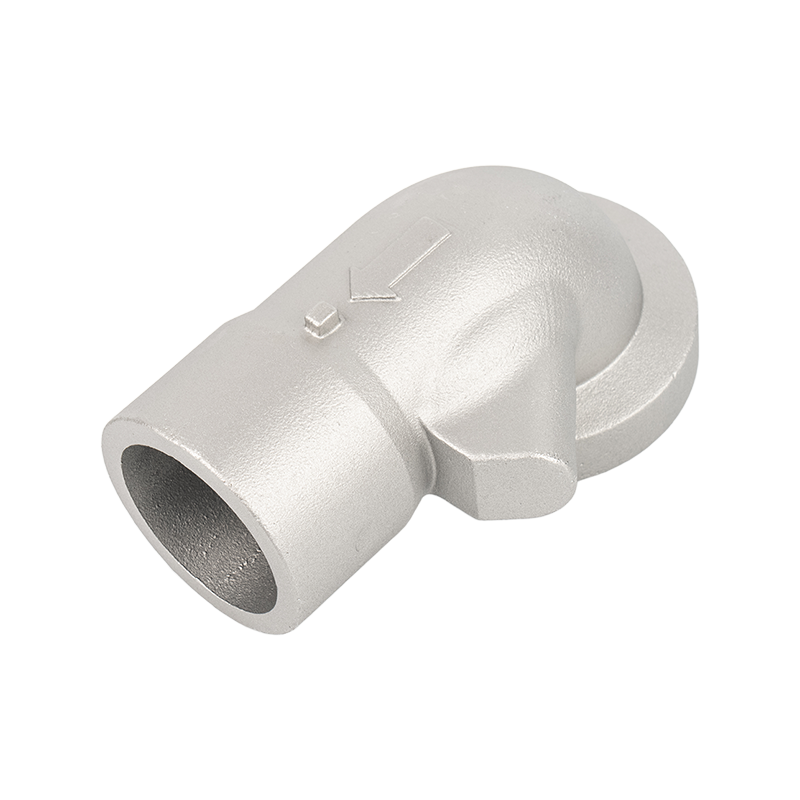 High-Temperature Resistant Aluminum Alloy Castings for Thermal StabilityDesigned for parts exposed to high or fluctuating temperatures, this example illustrates material and process control to reduce deformation risk, with multiple surface treatment options for corrosion resistance.View Product →
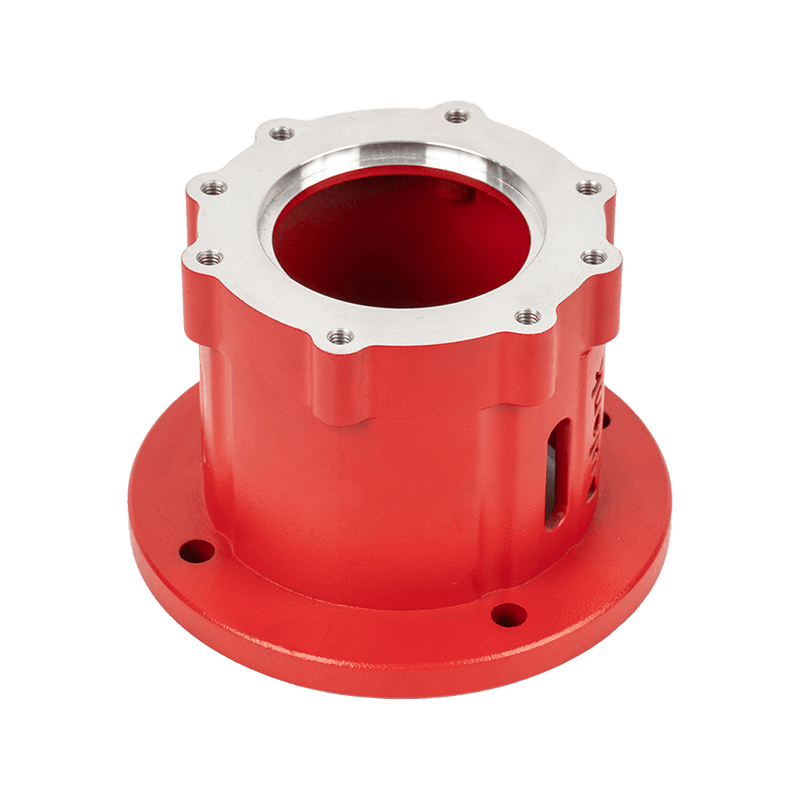
The products shown above are representative examples from our production history. They demonstrate the range of geometries, finishes, and performance requirements that a custom aluminum casting project can cover. If your part falls into a similar category, a technical review of the drawing and application will quickly reveal whether sand casting, permanent mold casting, or high-pressure die casting should be used.
Frequently Asked Questions About Aluminum Casting Types
Which aluminum casting method is best for high-volume production?
High-pressure die casting is the fastest and most economical process for aluminum parts produced in high volume. Cycle times are short, tooling produces hundreds of thousands of shots, and the dimensional consistency reduces secondary machining. Annual volumes above 50,000 parts are the normal territory for HPDC. For volumes between 10,000 and 50,000, low-pressure die casting or permanent mold casting can be competitive when mechanical properties must be improved over HPDC.
What is the difference between die casting and permanent mold casting?
Die casting injects molten aluminum into a steel die at high pressure and speed, while permanent mold casting relies on gravity or low pressure to fill a steel or iron mold. The high injection velocity in die casting enables thinner walls and faster cycles, but increases the risk of air entrapment. Permanent mold casting produces denser, stronger parts with better pressure tightness, but at a slower cycle time and with slightly thicker minimum walls.
Is sand casting cheaper than die casting?
For small quantities, yes. Sand casting tooling costs a fraction of die casting tooling because a sand mold is destroyed after each use and does not require hardened tool steel. As the annual volume grows, the per-part cost of sand casting stays high due to slower production and extensive finishing work. Die casting becomes cheaper per part once the tooling cost is amortized over enough units, usually several thousand parts or more.
Can aluminum castings be welded or braze-repaired?
Yes, but the success rate depends on the process and alloy. Sand, permanent mold, and low-pressure castings with low gas porosity can be welded with appropriate filler material. High-pressure die castings are difficult to weld because gas porosity expands in the weld heat and creates bubbles. If a die casting must be welded, vacuum-assisted HPDC can reduce porosity enough to make welding possible. A356 and similar alloys weld well in the T6 condition as long as the filler matches the alloy chemistry.
What is the strongest aluminum casting alloy?
A356 cast in the T6 heat-treated condition is generally considered the strongest common aluminum casting alloy family, with tensile strengths reaching 280 to 300 MPa and elongations of 3 to 10 percent depending on the casting method. Some specialty alloys such as A201 exceed that strength, but they are expensive and difficult to cast. For high-pressure die casting, A380 provides the best combination of strength, castability, and economy.
How much machining is required after casting?
High-pressure die castings often receive light machining on sealing faces and threaded holes while leaving other surfaces as cast. Permanent mold and low-pressure castings typically need machining on mating surfaces. Sand castings may require heavy machining because of loose tolerances and mold shift. A well-designed casting process reduces machining time by placing datum targets in the same shot as the critical features and by maintaining tight dimensional repeatability from shot to shot.
Final Thoughts on Selecting an Aluminum Casting Process
The different types of aluminum casting are not competing technologies in the sense that one is universally better. Sand casting, permanent mold casting, high-pressure die casting, low-pressure die casting, investment casting, and lost foam casting each occupy a logical position in the cost-volume-precision triangle. The right choice emerges when the annual production volume, tolerance requirements, mechanical loading, and finishing specification are all written down and ranked.
Engineers who take a little extra time in the early sourcing phase avoid the most expensive mistakes in the project. A part that flows well in one process may have hidden porosity in another. A dimensional tolerance that is achievable in HPDC may require expensive rework in sand casting. Asking the foundry technical team to review the drawing before tooling begins is always the smartest step. Casting manufacturers with in-house tooling, machining, and quality systems can give a practical answer quickly, because they have seen the same types of challenges across many projects.
If you have a part drawing and want to know which aluminum casting method fits your project, the fastest path is to send the geometry and required annual volume to a casting manufacturer for technical review. The conversation will surface the trade-offs early, while changes to the design are still affordable.